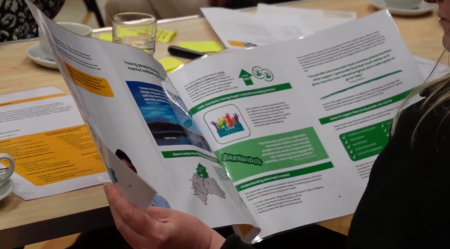

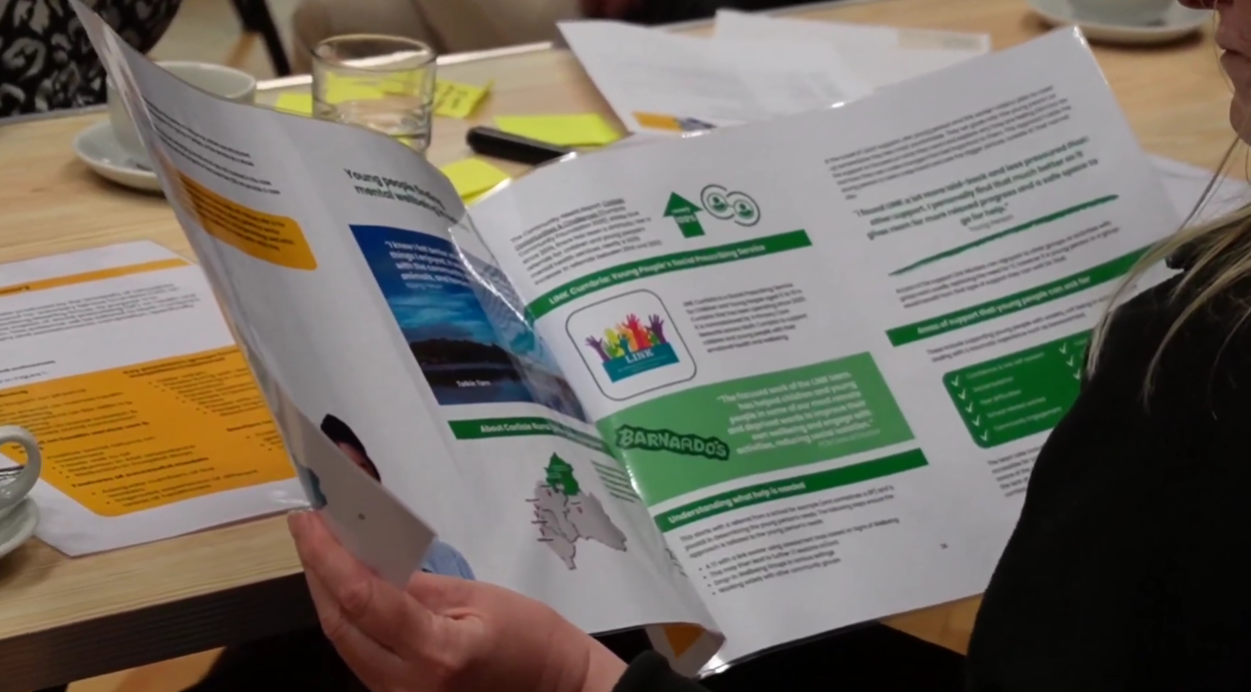
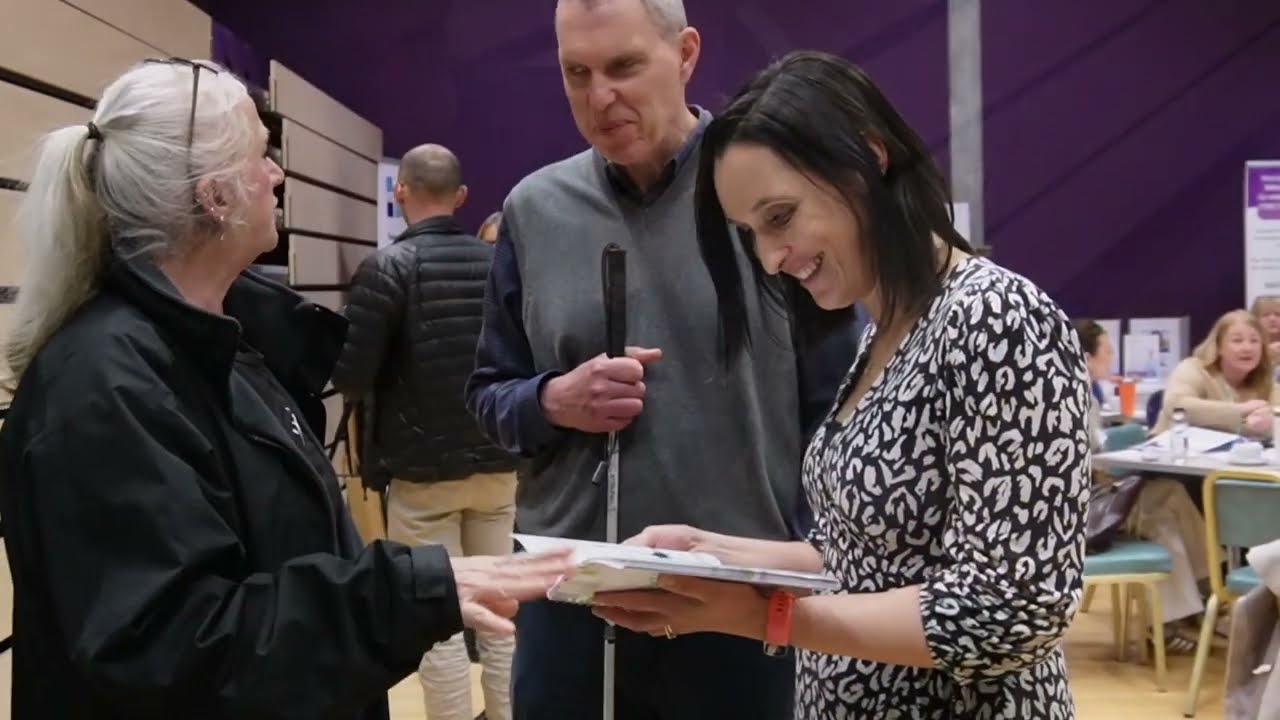
On 7 May 2026, alongside Cumbria CVS and partners from across the region, we attended a special launch event celebrating a landmark report on social prescribing across the NHS area of North Cumbria.
Published by Cumbria CVS on behalf of the North Cumbria Social Prescribing Steering Group, the report shines a light on the life-changing impact of community-based support and the dedicated health and wellbeing workers who deliver it every day.
The report shares powerful stories from people across Cumbria who have received support through challenges including homelessness, addiction, bereavement, physical health conditions, and mental ill-health. It highlights support provided to children, older adults, carers, families, and individuals arriving through the Afghan Resettlement Programme.
Across North Cumbria, more than 15,000 people each year are supported through social prescribing and wellbeing roles embedded in GP practices, local councils, and voluntary organisations. The voluntary and community sector plays a vital role - not only hosting link workers, but also providing the activities, groups, and local networks that help people improve their health and wellbeing.
The report has been praised by the National Academy of Social Prescribing, which described North Cumbria’s workforce as “highly skilled” and recognised the report as an important example for health and care systems across the country.
Alongside celebrating success, the report also highlights the ongoing pressures facing charities and community organisations, particularly around fragmented and short-term funding, and calls for a more joined-up and sustainable approach to support these essential services.
Vital support for people in Cumbria risks disappearing if better funding is not found for charities and community groups. A report published today (April 30th) highlights the work done by health and wellbeing workers, who connect people with community support across the county.
Roles such as health and wellbeing coaches and social prescribers spend time with people facing a range of challenges, from physical illness to bereavement, addiction, homelessness and mental ill-health. By taking a ‘whole-person’ approach they support people to make changes in their lives and access community activities or support delivered by voluntary, community, faith or not-for-profit organisations.
These organisations face increasing difficulties financing the vital work they do – often relying on short-term, piecemeal funding. This leaves them regularly on the brink of hardship, with their employees facing redundancy and the people they work with being left potentially without support.
‘Passion, connection and community: Person-centred neighbourhood health in North Cumbria’ tells the stories of Cumbrian people from children to older adults, including carers, families and new arrivals through the Afghan Resettlement programme, who were helped by health and wellbeing workers and local not-for-profit organisations.
It highlights how important human connection is to health and wellbeing, and the potential for these approaches to reduce demand on overstretched heath and care systems.
Monica Boulton, from the National Academy of Social Prescribing said: “This report powerfully captures the range of connecting services across North Cumbria through a diverse and locally rooted model of delivery, with link workers and other roles providing personalised support to people whose health is affected by social factors.
These roles demonstrate a distinctive and highly skilled workforce who combine skills such as relationship building, motivational coaching with a deep understanding of local communities and services to help people identify what matters to them and take practical steps to improve their wellbeing.
From lighter touch signposting to longer term coaching, link workers and similar roles are joining the dots between services and making a real difference to people’s lives.”
Carolyn Otley, CEO of Cumbria Council for Voluntary Service (CVS) recognised that “the report doesn’t shy away from the challenges; it’s hard to find funding for all that great work, both social prescribing roles, and the wider support that link workers connect people to.
I hope that this report tells your [Voluntary, Community, Faith and Social Enterprise (VCFSE) organisations’] stories, and in doing so, makes your work more visible to partners across they system, kick starting conversations about how we take a more joined up, sustainable and person-centred approach as we begin to explore what Neighbourhood Health looks like in practice.”
Dr Jenny Benson from Cumbria Community Foundation emphasised the importance of sustainable funding for the third sector: “VCFSE organisations are key to tackling health inequalities across North Cumbria. Through social prescribing, these organisations receive referrals from primary care and community services.
Trusted by communities and rooted in lived experience, they support individuals whose health is shaped by isolation, poverty, mental ill-health, trauma and long-term inequality. Social prescribers increasingly rely on these organisations to deliver the preventative, relational and community-based support that keeps people well and reduces pressure on our health services.
However, VCFSE organisations cannot deliver this work without financial investment, and the report highlights that the lack of sustainable funding is often the main limiting factor for VCFSE organisations being able to support people referred to them through social prescribing.”