
Date published: 22 June 2026

Why do we need to drink more water? Why is sleep so important? Why are we always being encouraged to stay active?

These are the questions at the heart of our new 'But Why?' campaign, which aims to explore the biology and science behind some of the most common pieces of health advice.

Health messages are often kept simple to make them easy to understand, but that can sometimes leave people wondering why these recommendations matter in the first place. Through the new series, we'll be taking a closer look at the science behind everyday advice and explaining how our bodies work.

The first topic in the series focuses on hydration, particularly as warmer weather returns.

Water plays a vital role in helping the body function properly. It helps transport oxygen and nutrients through the bloodstream, supports the chemical reactions that produce energy, helps regulate body temperature through sweating, and allows the kidneys to remove waste products from the blood.

When we don't drink enough, the body starts conserving fluid and dehydration can lead to symptoms such as headaches, dizziness, tiredness and difficulty concentrating.

While staying hydrated is advice many of us have heard countless times, understanding the science behind it can help explain why it remains so important, particularly during periods of hot weather.
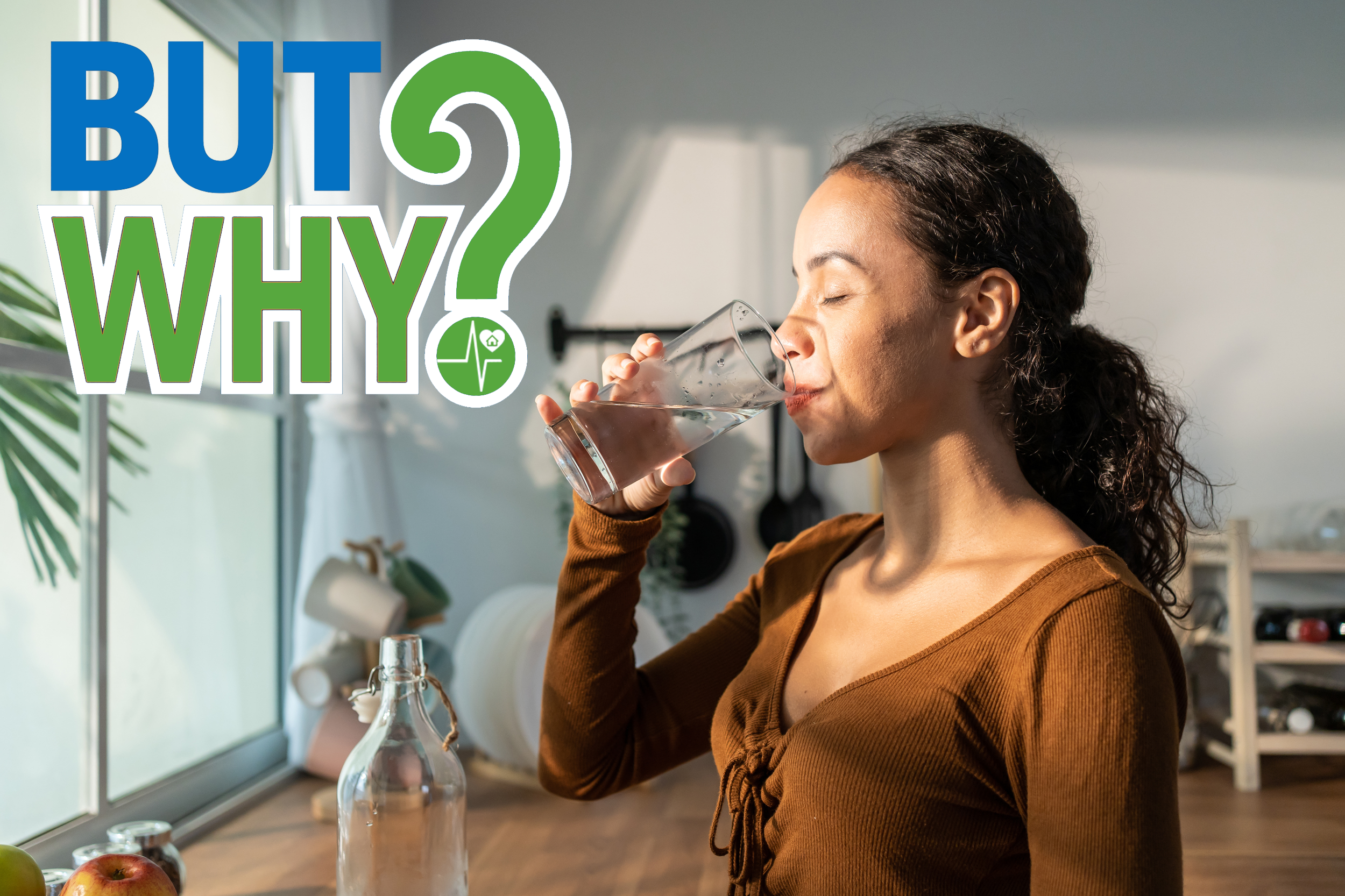
A lady drinking a glass of water with the 'but why' campaign logo The 'but why?' campaign logo
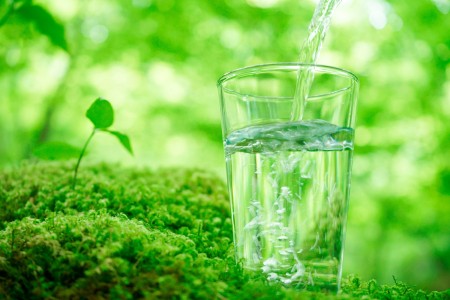
A glass of water in a forrest

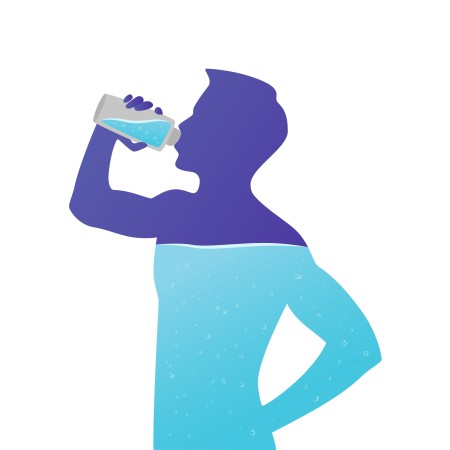
Every cell in your body exists in a water-based environment, and it relies on that water to function properly.

Water helps to:

> Transport oxygen and nutrients to cells through your bloodstream.

> Support the chemical reactions that produce energy.

> Maintain blood flow and fluid balance in the brain.

> Regulate body temperature through sweating.

> Help your kidneys filter waste products from the blood.

When you don't drink enough, your body starts conserving fluid. Blood volume can decrease, your heart has to work a little harder to circulate blood, and your brain triggers thirst to encourage you to drink.

This is why dehydration can leave you feeling tired, headachy, dizzy, or struggling to concentrate, even before you feel seriously thirsty.

So hydration isn't just about "flushing toxins" or following a wellness trend. It's about giving your body the fluid it needs, so every cell can do its job.

Small, regular sips throughout the day can help keep your body functioning at its best.

Look out for future editions of our 'But Why?' series, where we'll be exploring the evidence and biology behind a range of health topics.

For more information about recognising and preventing dehydration, visit the NHS website.

Symptoms of dehydration in adults and children include:

  • feeling thirsty
  • headache and feeling light-headed
  • dark yellow, strong-smelling pee
  • peeing less often than usual
  • feeling dizzy or lightheaded
  • feeling tired
  • a dry mouth, lips and tongue
  • sunken eyes

Signs of dehydration in a baby may include:

  • a sunken soft spot (fontanelle) on top of their head
  • sunken eyes
  • few or no tears when they cry
  • fewer wet nappies than usual
  • being drowsy or irritable

Dehydration can happen more easily if you:

  • have diabetes
  • have been sick or have diarrhoea
  • have been in the sun, or a hot environment, too long (heatstroke)
  • have drunk too much alcohol
  • sweat a lot after exercising
  • have a high temperature
  • take medicines that make you pee more (diuretics)
  • rely on other people to get you drinks

You should drink fluids if you have symptoms of dehydration.

If you feel sick or have been sick, you may find it hard to drink, so start with small sips and then gradually drink more. Avoid caffeinated drinks and alcohol as both will dehydrate you.

A pharmacist can help with dehydration

If you're being sick or have diarrhoea and are losing too much fluid, you need to put back the sugar, salts and minerals your body has lost.

A pharmacist can recommend oral rehydration solutions. These are powders that you mix with water and then drink.

Ask your pharmacist which rehydration solutions are right for you or your child.