
Who provides health services across Cumbria?

The NHS is made up of lots of different organisations delivering different types of care. Some provide hospital treatment, while others focus on GP services, community healthcare, mental health support or ambulance services. Some specialise in particular conditions, while others support people in their own homes.

Across Cumbria, these services are delivered by a range of organisations, from local GP practices and community pharmacies to hospitals and specialist NHS trusts. Their responsibilities can overlap, and the organisations involved will depend on the type of care someone needs and where they live.

As a starting point, let's look at the different types of care available and the organisations that provide them, beginning with primary care, a key part of the local health system

This isn't a complete list of every organisation involved in providing care across Cumbria. We've focused on the main providers here, with the next section exploring the wider network of local partnerships, federations and collaborative organisations that help health services work together, particularly across the NHS area of North Cumbria.

The NHS doesn't follow one set of geographical boundaries. A hospital trust might serve one part of Cumbria, a mental health trust might cover a much wider area, and an ambulance service might operate across several counties.

This means that where you live, which service you need and how that service is organised can all affect which NHS organisation is involved in your care.

The important thing to remember is that these organisations don't work in isolation. They often need to work together, alongside GP practices, councils and community organisations, to provide the right care and support.


Walker and their dog sit looking over a Cumbrian fell as the sun sits low in the sky A stethoscope and pen sit on top of a chart

Primary Care

The local services people often turn to first for advice, treatment and ongoing support.

General Practice

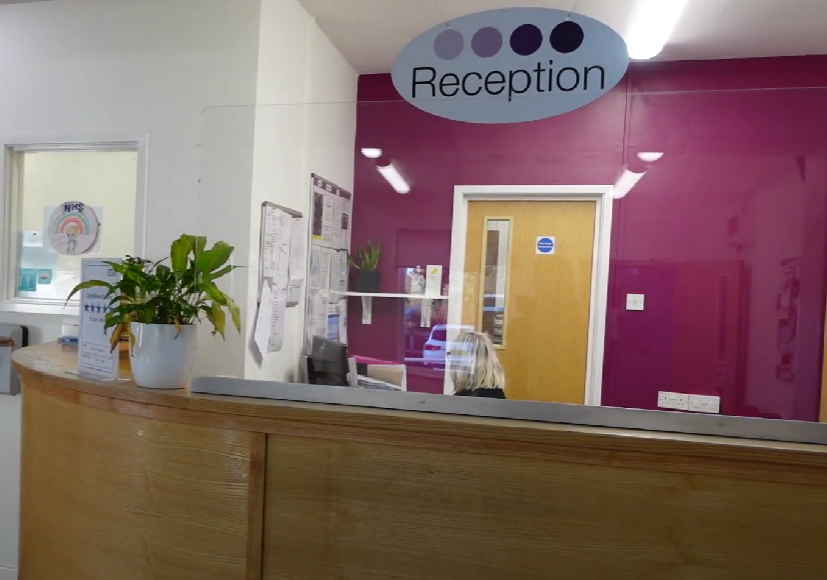
An image of a reception desk in a GP SurgeryGP surgeries provide a wide range of NHS care, from advice about new symptoms and ongoing health conditions to preventive care, vaccinations and referrals to other services.

Across North Cumbria, GP practices are independent organisations contracted to provide NHS services. They work with nurses, pharmacists and other healthcare professionals, and link in with hospitals, community services and wider support networks.

These practices are central to primary care, but they don't work in isolation. Many also work together through local networks and partnerships to support the health needs of their communities.

More information about GP practices in North Cumbria area.

Community Pharmacy

Two Pharmacists are stood behind the desk in the pharmacy with numerous medicines on the shelves behind themCommunity pharmacies provide advice and treatment for many common illnesses, help people manage their medicines and support ongoing health and wellbeing.

Through services such as Pharmacy First, pharmacists can assess and treat certain common conditions without someone needing to see a GP first. Pharmacies also provide services such as blood pressure checks and support with stopping smoking, depending on the pharmacy and services available.

They are an important part of primary care, helping people access appropriate support and making better use of the skills available across the local health system.

Pharmacy information and medicines management.

NHS Dentistry

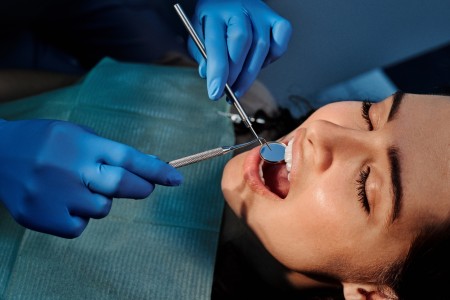
Patient is getting their teeth inspected by a dentist using the relevant dentistry equipmentNHS dental services provide oral health care, preventive advice and treatment for a range of dental problems.

Access to NHS dental care can be different from access to GP services. Dental practices may provide NHS treatment, private treatment or a mixture of both, and finding an NHS appointment can depend on local availability.

More information

Optometry and Eye Care

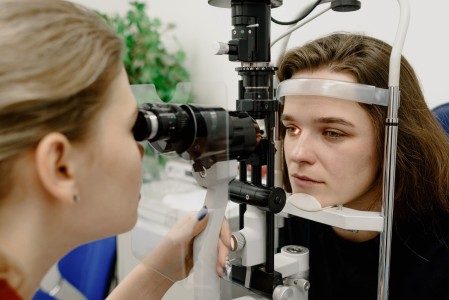
Optician is looking into the eyes of a patient using relevant optician equipmentOptometrists and other eye care professionals provide eye examinations, help identify changes in vision and can detect signs of some eye conditions and wider health problems.

Depending on the issue, they may provide treatment, recommend further investigation or refer someone to another service.

More information

GP practices, pharmacies, dentists and opticians are part of a wider network of primary care. Across North Cumbria, practices and other organisations also work together through local networks and partnerships.

We'll explore these in more detail on our next page in the guide about local partnerships and health care in North Cumbria.

Hospital and community health services

Let's look at some of the main NHS trusts providing hospital and community health services across Cumbria, starting with North Cumbria.

North Cumbria Integrated Care NHS Foundation Trust (NCIC)

NCIC is the major provider of hospital and community health services in North Cumbria.

Its services include hospital treatment, community nursing and a range of other services delivered in community settings and people's homes. Its hospitals include the Cumberland Infirmary in Carlisle and West Cumberland Hospital in Whitehaven.

NCIC works alongside GP practices, mental health services, councils and other organisations to support people through different stages of their care.

You can check out the Emergency care hub and live waiting times here.


University Hospitals of Morecambe Bay NHS Foundation Trust (UHMBT)

UHMBT provides hospital and other healthcare services across the Morecambe Bay area, including South Cumbria and North Lancashire.

Its hospitals include Furness General Hospital in Barrow, Westmorland General Hospital in Kendal and the Royal Lancaster Infirmary.

It's worth including here because healthcare provision doesn't stop at the North Cumbria boundary. People living in different parts of Cumbria may access hospital services from different NHS trusts.

Mental Health and Specialist Services

Mental health and specialist care are provided by a range of organisations across Cumbria, supporting people with different needs at different stages of their lives.

Here, we're highlighting some of the main NHS trusts providing these services, but they're just part of a much wider network of support. For more information about mental health services and other sources of help available locally, you can explore our mental health support information here.

Cumbria, Northumberland, Tyne and Wear NHS Foundation Trust (CNTW)

CNTW provides mental health, learning disability and other specialist services across North Cumbria and the North East.

Its services include support in the community, hospital-based care and specialist services for adults, children and young people.

In North Cumbria, CNTW works alongside GP practices, hospitals, councils and other organisations to support people's mental health and wider needs.

lancashire_south_cumbria_nhs_foundation_trust_logo.jpeg
Lancashire and South Cumbria NHS Foundation Trust

South Cumbria is served by Lancashire and South Cumbria NHS Foundation Trust, which provides mental health and specialist services across the area, alongside its wider services in Lancashire.

Ambulance Services and Urgent Care

NWAS logo.pngNorth West Ambulance Service NHS Trust (NWAS)

NWAS provides ambulance services across the North West, including Cumbria.

Its work includes responding to emergency calls, providing urgent assessment and treatment, and transporting patients when appropriate.

Ambulance services operate across large geographical areas, so their boundaries don't necessarily match those of hospitals, councils or GP practices.

Other Providers and Specialist Services

The NHS trusts mentioned above are some of the main providers of health services across Cumbria, but they're not the only organisations involved in people's care.

Some people may be referred to specialist hospitals or services outside their local area for particular treatments. Other NHS-funded services may be delivered by independent providers, while hospices and voluntary organisations offer valuable care and support to patients and their families, sometimes working alongside NHS teams.

These organisations are another important part of the wider health and care system, helping people access the treatment, care and support they need.