

PPG Logo - NEW copy.pngPatient Participation Groups (PPGs) bring patients and GP practice teams together to share experiences, ideas and perspectives about local healthcare services.

Every PPG is different, and there isn't one set way for them to work. Depending on the practice, a PPG might help improve patient information and communication, support health awareness activities, share patient experiences and ideas, or help the practice better understand the community it serves.

But what does being part of a PPG actually involve? Is it the right place to raise concerns? And could your own experience as a patient help shape your local practice?

We've put together some questions and answers in this section to explain what PPGs are, what they do, and what it can be like to be involved.

Each practice will be different so we will also give you a link below to all the GP practice websites (for the NHS area of North Cumbria) so you can find out more on their websites.

Quiz card with campaign PPG logo asking the question: What exactly is a Patient Participation Group?

What exactly is a Patient Participation Group (PPG)? 

If you've never heard of a Patient Participation Group - or 'PPG' - before, you're certainly not alone.

Put simply, a PPG brings together patients and members of the practice team to work together to help improve local services and the patient experience.

But there's no one-size-fits-all PPG.

Depending on the practice, members might get involved in things such as:

  • Sharing ideas and patient experience
  • Helping with communication and patient information
  • Supporting health awareness campaigns
  • Getting involved in community activities
  • Helping the practice understand the people and communities it serves

The important bit is that patients and practices work together.

And every PPG can look a little different.

Quiz card with campaign PPG logo asking the question: So what does a PPG actually do?

So what does a PPG actually do?

So we know a PPG brings patients and practice teams together.
But what does that actually mean in practice?

Well... it depends.

Every PPG is different, but members might get involved in:

  • Improving patient information
  • Supporting health awareness campaigns
  • Suggesting ways to improve communication
  • Sharing patient experiences and ideas
  • Helping the practice understand its community
  • Getting involved in activities and initiatives

It isn't about patients running the practice and it isn't about having all the answers. It's about bringing different perspectives to the table and working with the practice to help make things better for patients.

Quiz card with campaign PPG logo asking the question: What is it really like being part of a PPG?

What's it really like being part of a PPG?

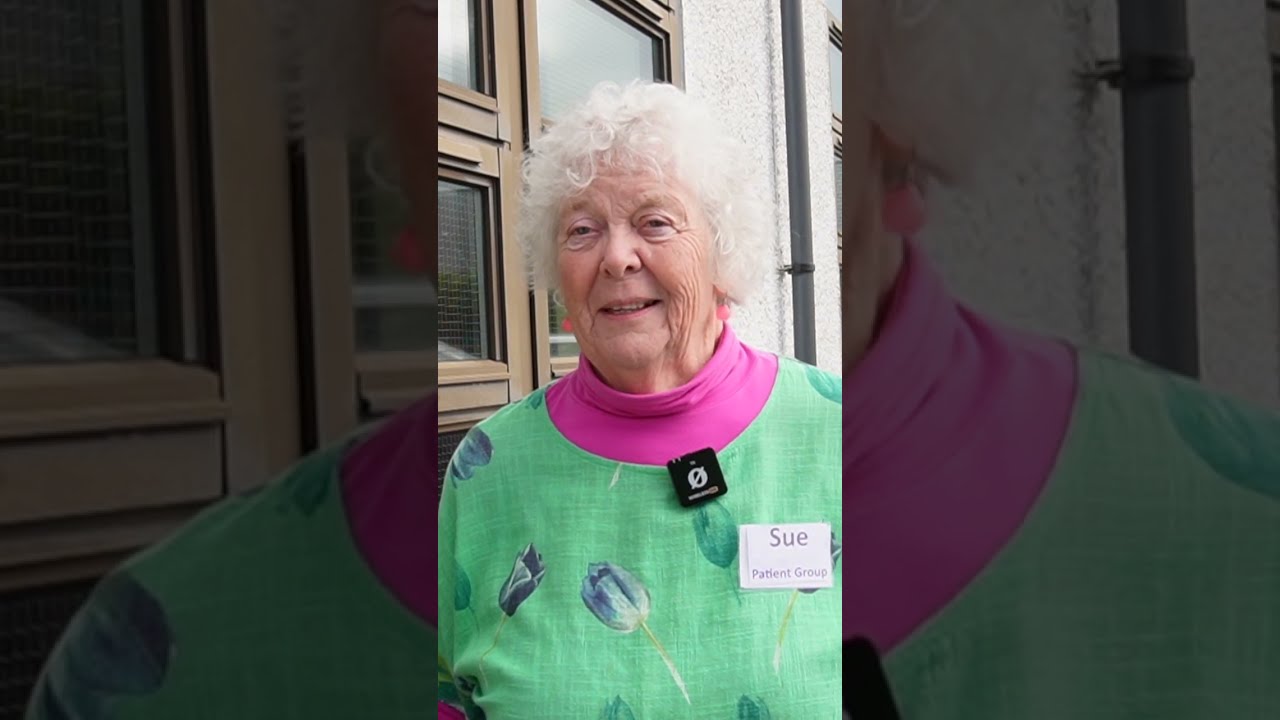
Sue Gallagher is a member of The Croft Surgery's PPG and also volunteers with the Wigton Integrated Care Team.

Sue kindly took some time out from a Spring into Health Day, organised by the PPG, to share her experience and explain how she sees PPGs – including the benefits of being involved and what PPGs aren't.

A big thank you to Sue for taking the time to chat with us and share her story.

Have a view and hear what Sue has to say.

PPG Overview with Sue Gallagher
Quiz card with campaign PPG logo asking the question: Is a PPG just somewhere to complain?

Is a PPG just somewhere to complain?

NO.

Of course, if something hasn't gone well, patients should have ways to raise concerns and make complaints. But a PPG isn't the formal complaints route.

Instead, it can help bring together wider patient experiences, recurring themes and ideas for improvement – giving practices an opportunity to listen, discuss and work with patients on what could be better.

It's about: Listening → discussing → sharing ideas → working together → improving

Rather than simply:​​​​​​​ Something's wrong → complain about it.

Because a PPG isn't just about talking about what's gone wrong.​​​​​​​ 
​​​​​​​It's about helping shape what's next.

Quiz card with campaign PPG logo asking the question: Could your experience help shape your GP practice?

Could your experience help shape your GP practice?

You don't need to be a healthcare professional.
You don't need to have all the answers.
And you certainly don't need to be retired.

People experience healthcare in lots of different ways and that's exactly why different perspectives can be valuable.

You might be:

  • Working
  • Studying
  • A parent
  • A carer
  • A younger adult
  • Someone living with a long-term condition
  • Or simply someone who'd like to have a say in improving local services.

Your experience as a patient gives you a perspective that the people working in the practice don't always have. That's what makes your voice valuable.

Not every GP practice runs its Patient Participation Group in exactly the same way, and some practices may have other ways for patients to get involved.

If you'd like to find out more, speak to your GP practice and ask what's available.