

Your feet carry you through life. They help you walk, keep active and stay independent, but it's easy to take them for granted. Looking after your feet, choosing footwear that fits properly and spotting problems early can all help you stay comfortable, mobile and steady on your feet.

Foot health is particularly important as we get older, and for people living with conditions such as diabetes. A little attention to your feet every day can make a real difference.

On this page, you'll find simple, practical advice to help you look after your feet, choose the right footwear and recognise some of the common problems to look out for. We'll also explain how foot health can affect your balance, mobility and confidence, and why taking care of your feet can play an important part in helping to prevent falls.

Whether you're looking for tips on everyday foot care, advice on choosing comfortable and supportive shoes, information about foot health and diabetes, or guidance on supporting someone else, there's plenty here to help.

Here's what you'll find:

  • Healthy feet can help prevent falls – five simple reminders using the 'FALLS message'.
  • What should you look out for? – recognising common foot problems and changes.
  • Looking after your feet – a straightforward daily foot-care routine.
  • Choosing the right footwear – what to look for when buying shoes and slippers.
  • Foot care and diabetes – why regular checks are particularly important.
  • Helping someone else look after their feet – practical advice for families and carers.
  • Where can I get help? – finding advice and support when you need it.

Healthy feet can help prevent falls

Our feet play an important part in helping us stay balanced, move around comfortably and remain independent. But foot pain, unsuitable footwear and problems with our feet can all affect the way we walk and increase our risk of falling.

Taking a little time to look after your feet, choosing shoes that fit properly and noticing problems early can all help you stay comfortable and steady on your feet.

A simple way to remember some of the important things to think about is the FALLS message:

F – Footwear that fits

Choose comfortable, well-fitting shoes that support your feet and allow your toes room to move.

A – Avoid slippers and loose shoes

Loose or backless slippers and shoes can easily slip off your feet. Choose secure footwear with a good fit and grip instead.

L – Look after your feet

Make foot care part of your daily routine. Keep your feet clean and dry, moisturise dry skin and wear clean socks every day.

L – Look for problems early

Check your feet regularly for redness, swelling, blisters, cracks, sores or other changes. Don't ignore pain or discomfort.

S – Stay steady and safe

Wear suitable footwear, keep active and look after your strength and balance to help you stay steady when moving around.

Healthy feet and well-fitting shoes can help prevent FALLS.

What should you look out for?

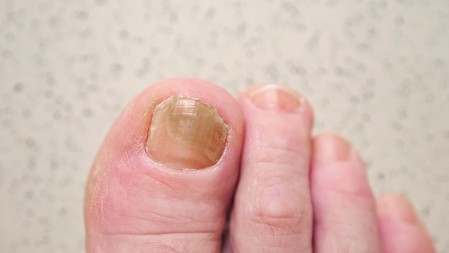
Checking your feet regularly can help you spot problems early, before they become more uncomfortable or affect the way you walk. There are a number of common foot problems and changes worth looking out for:

Skin problems:
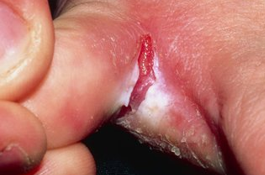
- Dry or cracked skin – skin that becomes rough, flaky or develops cracks.
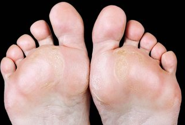
- Corns and calluses – areas of hard or thickened skin, often caused by pressure or friction.
- Blisters – small pockets of fluid that can develop through rubbing.
- Ulcers or breaks in the skin – open sores or wounds that may need medical attention.
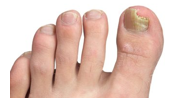
- Fungal skin infections – which can cause itching, peeling and cracked skin. These can also increase the risk of bacterial infection.
- Athlete's foot – a common fungal infection that usually affects the skin between the toes. It can cause itching, redness, peeling, soreness and cracked skin. It can spread to other areas of the foot and may increase the risk of bacterial infection.

Changes to the shape of your feet:
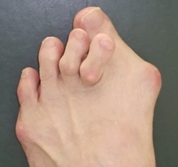
- Bunions – bony bumps that develop around the joint at the base of the big toe.
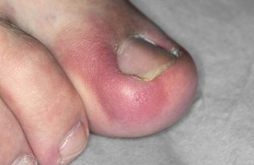
- Swelling or redness – changes that may indicate irritation, pressure or another underlying problem.

Toenail problems:
- Ingrowing toenails – when the edge of a toenail grows into the surrounding skin, potentially causing pain, redness and swelling.

Don't ignore pain or discomfort. Foot pain can affect the way you walk, your balance and your confidence when moving around. Getting problems assessed early can help you access the right advice and treatment.

If you notice any new or worsening changes, speak to a healthcare professional.

Looking after your feet

Your feet work hard every day, so giving them a little attention can help keep them clean, comfortable and healthy. A little daily care can help you spot problems early and keep your feet feeling comfortable.

A few simple habits can make a difference:

1. Check your feet every day. Look for any changes, including redness, swelling, blisters, cracks, sores or areas of discomfort. Remember to check between your toes too.

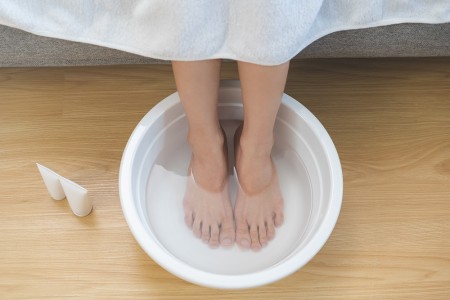
2. Wash your feet daily. Use warm water and mild soap to keep them clean.

3. Dry them carefully. Pay particular attention to the spaces between your toes, as it's important not to leave them damp.

4. Moisturise dry skin. Applying moisturiser can help prevent dry skin and cracking, but avoid putting it between your toes.

5. Wear clean, dry socks. Change your socks every day.

6. Choose supportive footwear. Wear shoes that fit comfortably, support your feet and allow your toes room to move.