North Cumbria's health and care system isn't made up of individual organisations working in isolation. GP practices, primary care teams, local partnerships and other organisations work together in different ways to support patients and strengthen local services.

Some provide care directly, others help practices work together, represent healthcare professionals or connect local primary care with the wider NHS.

This page introduces some of the organisations and partnerships that help shape primary care across North Cumbria, and explains how they fit into the bigger picture.

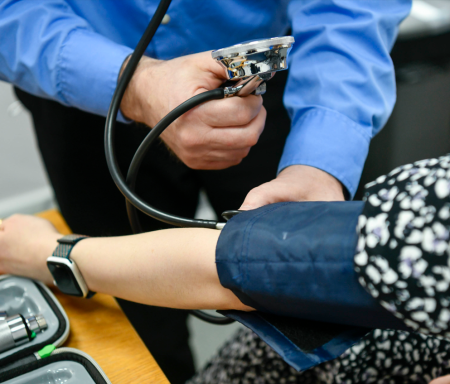
A Doctor checks a patients blood pressure

Primary Care Collaborative North Cumbria (PCCNC)

Primary Care Collaborative North Cumbria brings GP practices together to support and strengthen general practice across North Cumbria.

Working collaboratively gives practices opportunities to share experience, identify common challenges, develop services and explore ways to make primary care more sustainable. It also helps connect general practice with other organisations across the wider health and care system.

As primary care increasingly works across larger geographical areas, organisations such as the Collaborative have an important role in connecting local practices with wider regional developments and opportunities to work at scale.

Find out more about Primary Care Collaborative North Cumbria.

GP practices are individual organisations, but many of the challenges they face are shared. Working together can help practices share experience, make better use of resources, develop services and respond to needs across a wider area.

There are different ways of organising this collaboration. Some arrangements focus on practices in a local neighbourhood, while others bring practices together across a larger geographical area.

The names and structures vary, but the principle is similar: working together can create opportunities that may be harder for individual practices to achieve alone.

Collaboration doesn't mean that every practice becomes part of one organisation or that all practices work in exactly the same way. The arrangements depend on the organisations involved and what they're trying to achieve.

A GP federation is one way for GP practices to work together across a wider geographical area.

Federations can help practices share expertise and resources, develop services, coordinate work across several practices and explore opportunities to provide care at scale. Depending on their arrangements, they may also take on specific services or contracts.

Federations differ in their size, structure and responsibilities. Some focus on providing services, while others concentrate more on supporting practices and developing shared ways of working.

A federation isn't necessarily a replacement for its member practices, and the relationship between federations and Primary Care Networks (PCNs) varies. The important thing is to understand what each organisation does and how it supports local care.

This gives an idea of the kind of role Primary Care Collaborative North Cumbria is developing: bringing practices together, supporting shared priorities and creating opportunities to work at scale across North Cumbria, while connecting local general practice with the wider health and care system.

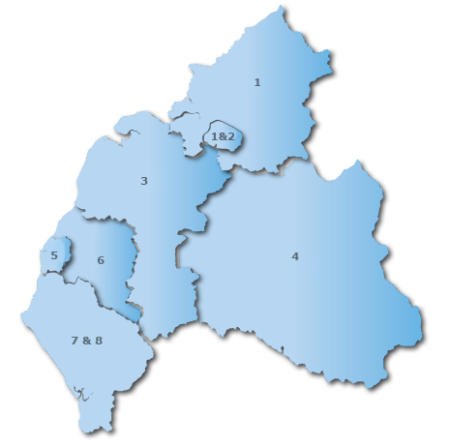
A map showing the areas that PCNs cover in the NHS area known in the health system as 'North Cumbria'

Primary Care Networks in North Cumbria

Primary Care Networks bring neighbouring GP practices together to work more closely and coordinate aspects of patient care.

They provide a way for practices to collaborate locally, develop services around the needs of their communities and work with other health and care professionals.

PCNs are different from GP federations/collaboratives. PCNs generally focus on collaboration between practices in a local area, while federations may support or coordinate work across a wider group of practices. The exact arrangements vary.

Find out more about the Primary Care Networks in North Cumbria.

An Integrated Care Community (ICC) brings together health and care professionals, community organisations and local people to help improve health and wellbeing in their area.

In North Cumbria, ICCs bring together people and organisations who support local communities, including GP practices, community health services, social care and voluntary and community groups.

The aim is to help services work together more closely, make better use of local knowledge and resources, and support people to receive more joined-up care. This can include helping people access support closer to home and improving how different services work together around their needs.

ICCs also help partners understand the particular challenges facing their communities and identify opportunities to improve local health and care.

How do ICCs relate to Primary Care Networks (PCNs)?

ICCs and PCNs are closely connected, and their local areas have traditionally aligned in North Cumbria. However, they are not quite the same thing. PCNs bring groups of GP practices together to work collaboratively with other services, while ICCs provide a wider community approach to joining up health and care.

Both are part of the wider effort to improve how health and care services work together across North Cumbria.

ICCs and PCNs are closely connected, and their local areas have traditionally aligned in North Cumbria. However, they are not quite the same thing. PCNs bring groups of GP practices together to work collaboratively with other services, while ICCs provide a wider community approach to joining up health and care.

Both are part of the wider effort to improve how health and care services work together across North Cumbria.

ICCs and PCNs are closely connected, and their local areas have traditionally aligned in North Cumbria. However, they are not quite the same thing. PCNs bring groups of GP practices together to work collaboratively with other services, while ICCs provide a wider community approach to joining up health and care.

Both are part of the wider effort to improve how health and care services work together across North Cumbria.
Cumbria Health Logo

Cumbria Health

Formerly known as CHoC (Cumbria Health on Call), Cumbria Health provides primary care services across Cumbria and beyond, including urgent and out-of-hours care. Established in 1996, it has grown to support around 500,000 people, operating year-round.

It also runs a network of six GP practices across Cumbria, helping people in rural communities access care closer to home. Cumbria Health works with partners to deliver responsive services that meet the changing needs of local communities.

Find out more about Cumbria Health.

North Cumbria Primary Care Alliance Logo

North Cumbria Primary Care Alliance (NCPC)

North Cumbria Primary Care Alliance brings together GP practices to help provide high-quality, sustainable general practice across North Cumbria.

Established in 2019, the Alliance has developed a model of working across multiple practices, bringing together staff, services and support functions. Its six practices serve more than 100,000 registered patients. By sharing resources, developing common ways of working and supporting its workforce, the Alliance aims to strengthen general practice and help meet the needs of local communities.

Find out more about North Cumbria Primary Care Alliance.

Local Medical Committee logo

Local Medical Committee (LMC)

The Consortium of Lancashire and Cumbria Local Medical Committees represents, advises and supports GPs and GP practices across Lancashire and Cumbria. It brings together five local LMCs, including North Cumbria LMC.

LMCs act as the professional voice of general practice, representing GPs' views and supporting practices with issues such as NHS contracts, practice management, staffing, premises and professional development. They also work with NHS organisations on policies and changes affecting general practice.

The LMC is independent of the NHS and plays an important role in ensuring that the views and interests of local GPs are represented.

Find out more about the Consortium of Lancashire and Cumbria LMCs.

One of the main buildings used for Pears Medical School in Cumbria. Students sit outside.

The Pears Cumbria School of Medicine

Preparing for the future of healthcare means developing the workforce needed to care for our communities for years to come.

The Pears Cumbria School of Medicine is a partnership between the University of Cumbria and Imperial College London, based in Carlisle. It trains graduate-entry medical students through a programme designed around the healthcare needs of Cumbria and the wider region, combining medical education with clinical placements in local health services.

By giving students experience of healthcare across Cumbria and encouraging them to build their careers in the region, the school aims to help address longstanding challenges in recruiting and retaining doctors, while supporting better health outcomes for local people.

It is an important part of the wider effort to develop a sustainable healthcare workforce for the future.

Find out more about the Pears Cumbria School of Medicine.

Patients and local communities have an important role to play in shaping health and care services. A number of organisations and groups help make sure people's experiences, views and ideas are heard.

Healthwatch Cumberland and Healthwatch Westmorland and Furness champion the views of people using health and social care services. They listen to local experiences, highlight issues that matter to communities and share feedback with organisations that can make improvements.

Patient Participation Groups (PPGs) give patients an opportunity to work with their GP practice, share feedback and suggest ways to improve local services. Each group works differently, but they provide a way for patients to have a voice in their own practice.

These are just some of the ways people can get involved and help shape health and care across Cumbria.

Find out more:

Healthwatch Cumberland

Healthwatch Westmorland and Furness

To find out whether your GP practice has a PPG, contact your surgery and ask how you can get involved.
Find out a bit more about Patient Participation Groups here.

Health and care across Cumbria involves a much wider network than NHS organisations alone. Hospices, charities, voluntary groups and community organisations provide valuable care, practical help and emotional support for people, families and carers, often working alongside NHS and social care teams.

Local hospices play a particularly important role, providing specialist care and support for people with life-limiting illnesses, as well as their families and carers. Organisations serving communities across the area include Eden Valley Hospice and Jigsaw, Hospice at Home Carlisle and North Lakeland, and Hospice at Home West Cumbria.

Beyond hospice care, a wide range of charities, voluntary groups and community organisations help people with health and wellbeing needs, social connection and practical support.

Cumbria CVS (Cumbria Council for Voluntary Service) supports voluntary, community and not-for-profit organisations across Cumbria, offering advice, training, volunteering support and opportunities for groups to work together. It helps strengthen the wider voluntary and community sector, which plays an important role in local health and wellbeing.

These are just some examples of the much wider network of organisations supporting people and communities across Cumbria.

Explore Cumbria CVS to find out more about the voluntary and community sector and the organisations working across Cumbria.