
Date published: 23 November 2026

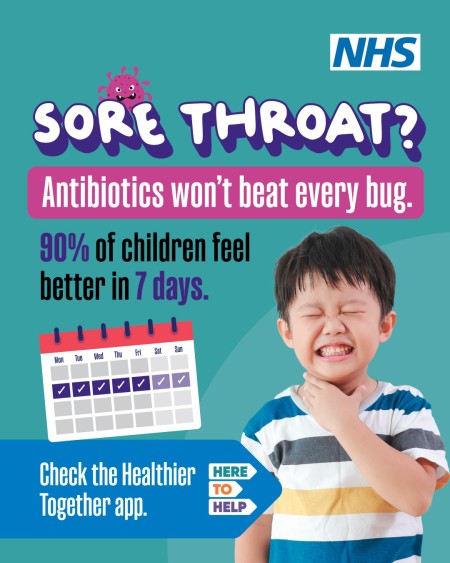
Coughs, colds, sore throats and earaches are all part of growing up – and antibiotics aren't always needed to help your little one feel better.

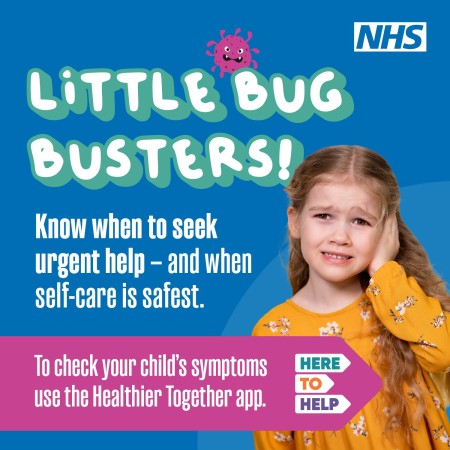
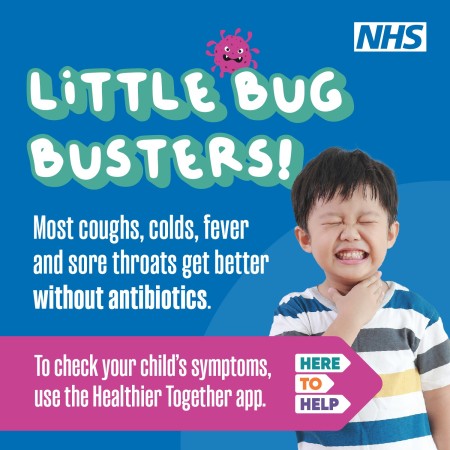
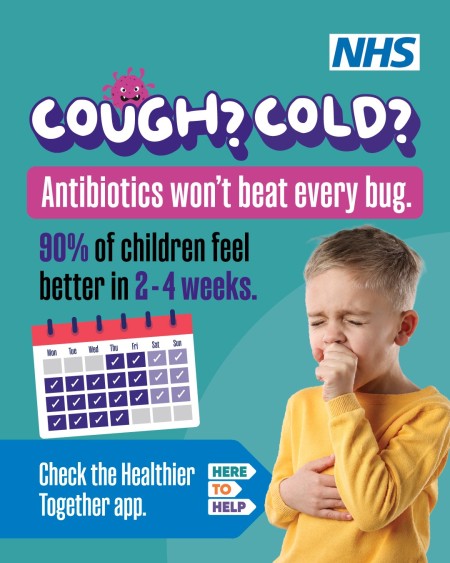
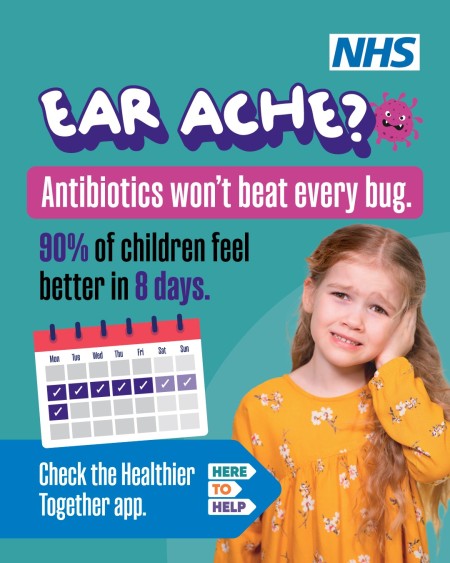
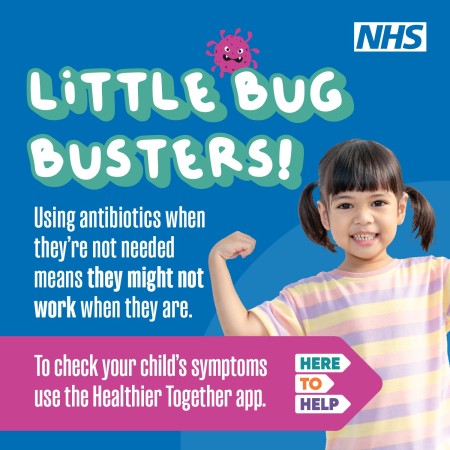
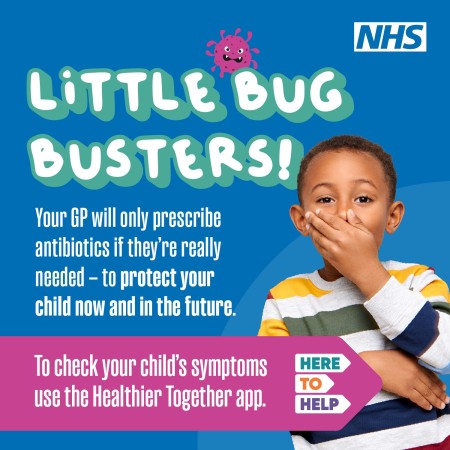
The NHS is bringing back its Little Bug Busters campaign for World Antimicrobial Awareness Week (18–24 November), helping parents and carers know how to manage common childhood illnesses, when antibiotics might help and when to seek medical advice.

Most common childhood illnesses are caused by viruses rather than bacteria. Antibiotics don't work against viruses, so they won't help children recover from many everyday bugs.

The good news is that plenty of common illnesses can be managed at home with rest, fluids and a little time.
When should you seek help?

If your child is poorly, the free NHS Healthier Together website and app can help you check their symptoms, find advice on caring for them at home and understand how long common illnesses usually last.

Its simple traffic-light guide helps you know when you can care for your child at home, when to seek medical advice and when urgent help may be needed.

Always seek medical advice if your child is getting worse, isn't recovering as expected or you're worried.

Why does using antibiotics carefully matter?

NHS figures show that 29.4% of children aged nine and under across North East and North Cumbria were prescribed antibiotics over a 12-month period – above the NHS target of 25%.

Antibiotics are important medicines and can be vital for treating bacterial infections, but using them when they're not needed can cause side effects and contribute to antibiotic resistance. This means infections can become harder to treat in the future.

For advice when your little one is poorly, visit Healthier Together or download the free app.