

Date published: 17 August 2026

You may have heard the term Patient Participation Group, or 'PPG', mentioned by your GP practice. But what exactly is a PPG and what does it actually do?

Primary Care Collaborative North Cumbria recently launched a week-long campaign to explore those questions and help more people understand what Patient Participation Groups are all about, across our social media channels.

The aim wasn't simply to encourage people to join a PPG. It was about opening up the conversation and explaining what PPGs are, what they can do, and why the experiences and perspectives of patients can be valuable to general practice.

Visit the full campaign pages here.
This also includes links to all the GP Practice PPG pages.

So, what is a PPG?

Every GP practice in England is required to have a Patient Participation Group. PPGs provide a way for patients and practice teams to work together, sharing experiences, ideas and perspectives to help improve services and the patient experience. 

But there isn't one standard way for a PPG to work.

Some may meet regularly with members of the practice team, while others might use surveys, emails, online meetings, events or other ways of hearing from patients. Depending on the practice, PPGs might get involved in improving patient information, supporting health awareness activities, discussing patient experiences and feedback, or helping the practice better understand its local community.

And that's important because patients don't all experience healthcare in the same way.
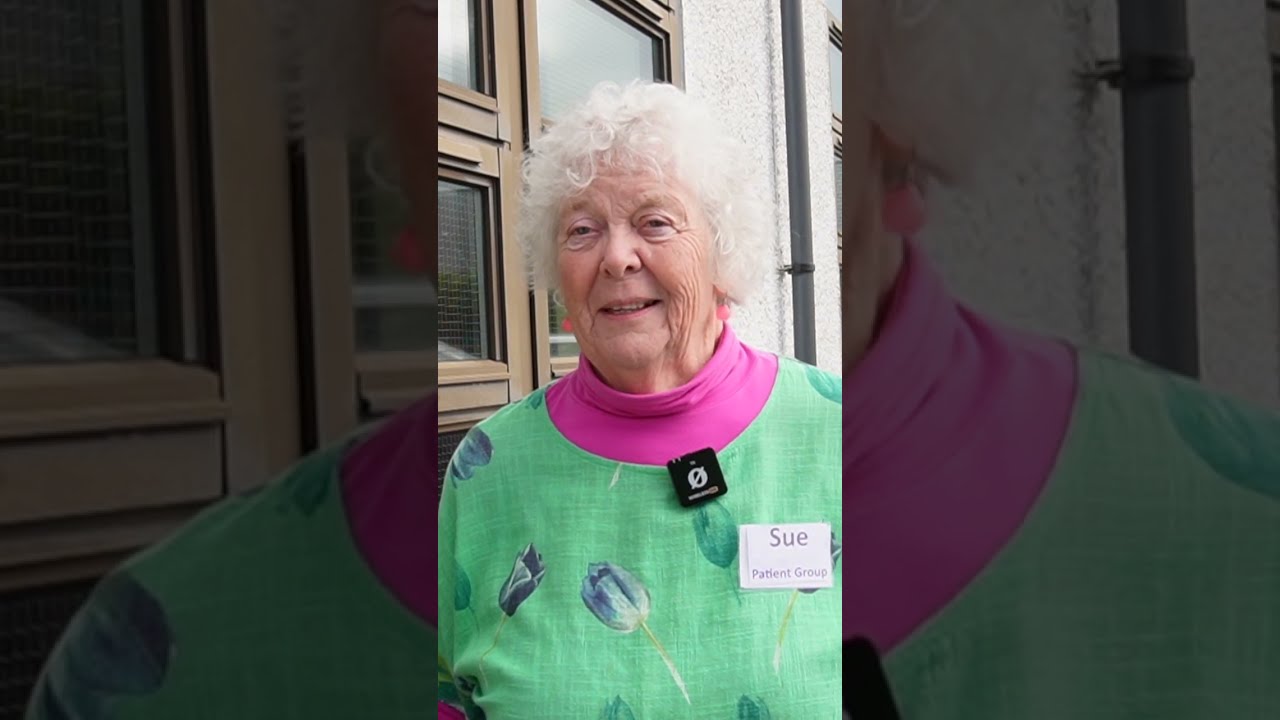
Sue Gallagher is a member of The Croft Surgery's Patient Participation Group and also volunteers with the Wigton Integrated Care Team.

Different ages, circumstances, experiences and perspectives can all bring something valuable to the conversation. NHS England also recognises that PPGs should not necessarily be the only way practices hear from their communities, particularly where existing arrangements aren't reaching a diverse range of people.

So, what is a PPG really about?

At its simplest, it's about patients and practices listening to each other and working together.

It's not about patients running the practice, and it's not a replacement for the formal complaints process. Feedback and concerns can, however, help practices identify themes and opportunities for learning and improvement, and NHS England says practices may wish to discuss relevant feedback and themes with their PPG.

As part of our campaign, we looked at some of the questions people might have about Patient Participation Groups, including what they are, what they do, what they aren't, and what it's really like to be involved.

We also heard from Sue Gallagher, a member of The Croft Surgery's PPG, who kindly shared her own experience of being involved and what she feels PPGs can offer. (Video clip also featured on this page.)

Could your experience be useful?

One of the things we wanted to highlight through the campaign is that there isn't a particular type of person who has something valuable to contribute.

You don't need to be a healthcare professional, have all the answers or fit a particular profile to have a perspective worth hearing.

You might be working, studying, a parent or carer, retired, a younger adult, living with a long-term condition – or simply someone who is interested in improving local services.

Your experience as a patient is the perspective that matters.

If our campaign has prompted you to find out more, speak to your GP practice and ask what's available. Every practice may do things a little differently, and there may be other opportunities to share your views too.

Our hope is that by explaining a little more about PPGs, more people will understand what they are, what they can contribute, and perhaps see them as something that could be relevant to them too.

Because understanding how healthcare feels from a patient's perspective is an important part of improving it.

(Acknowledgement to england.nhs.uk for some of this PPG information).